
Maxwell Street historic site, Maxwell St & S Halsted St, Near West Side
Maxwell Street: The Open-Air Market That Invented Chicago Blues
by LocaleLore5 months agoculture
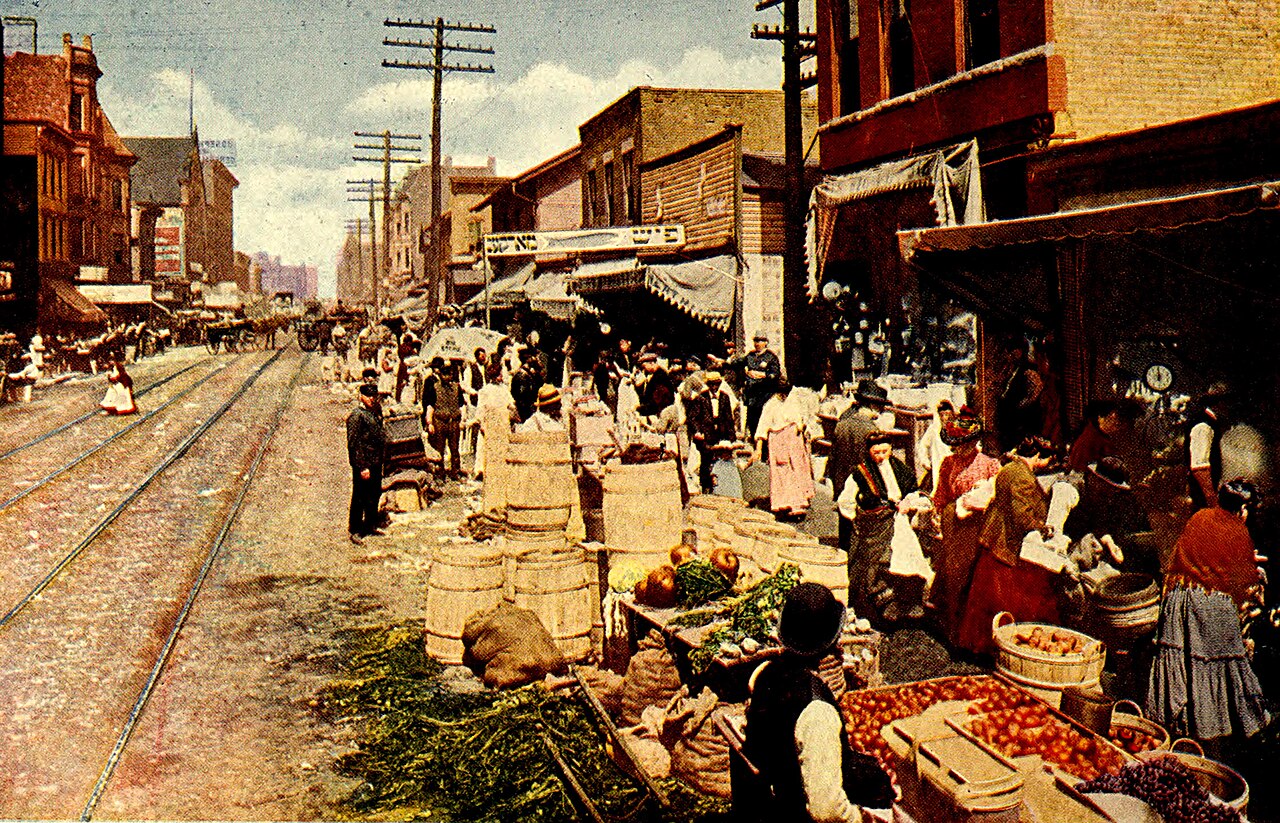
Photo: V. O. Hammon Publishing Company · Public domain
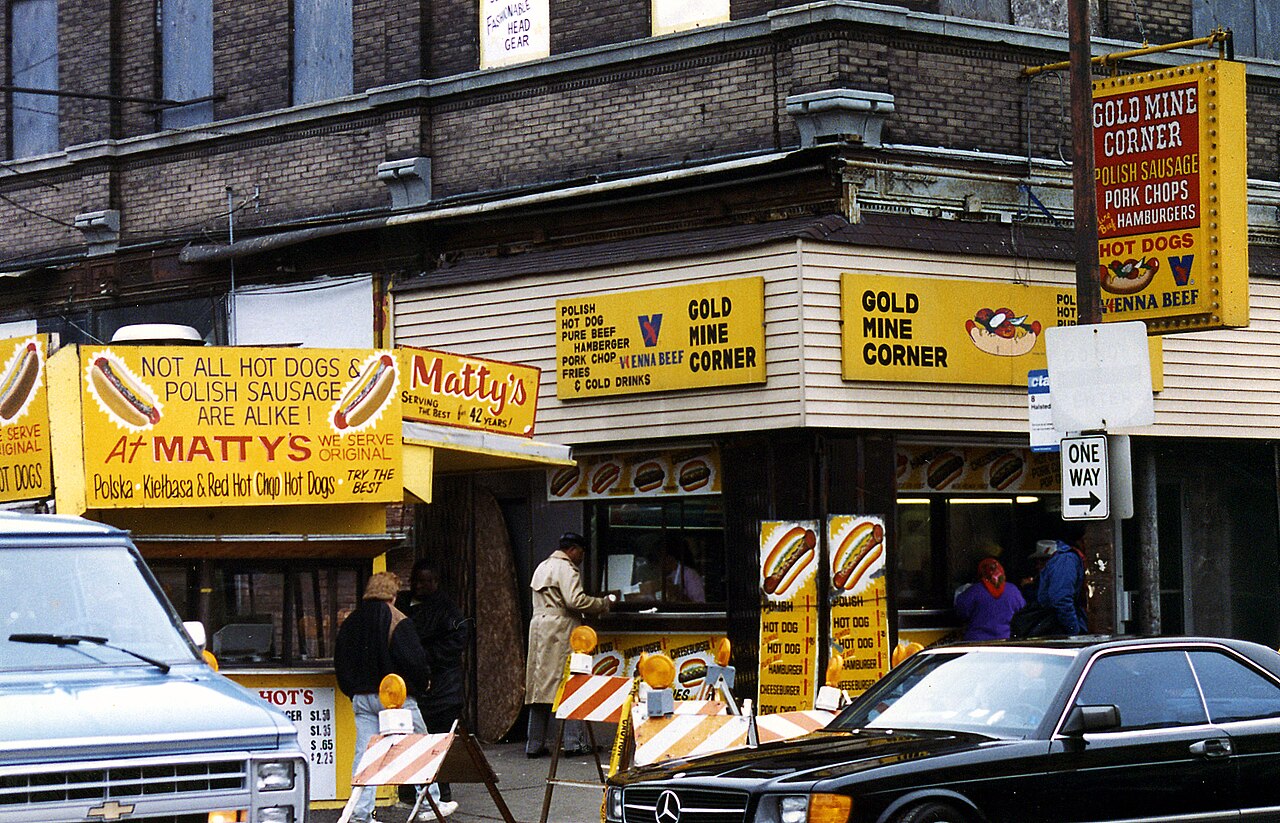
Photo: Phillip Capper from Wellington, New Zealand · CC BY 2.0
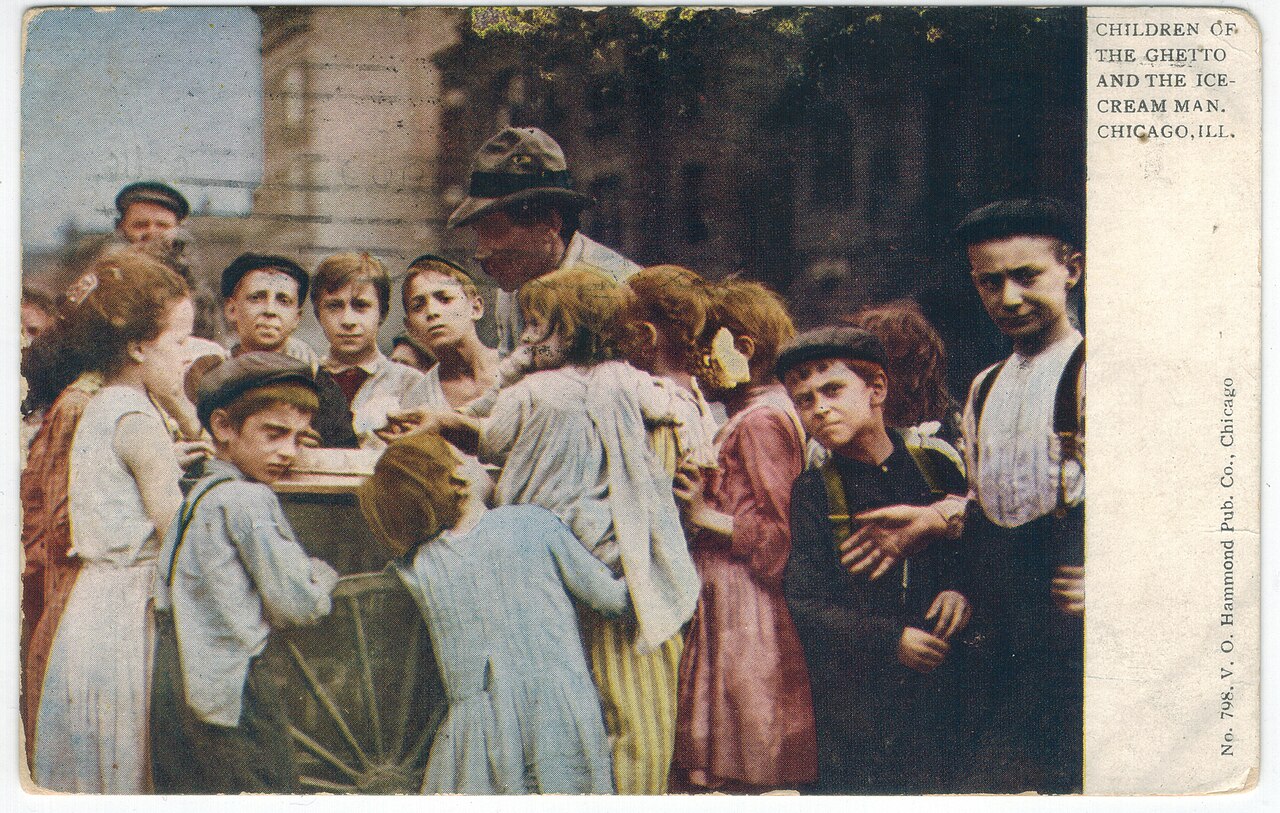
Photo: V.O. Hammond Pub. Co., Chicago · Public domain
From the 1880s through 1994, Maxwell Street — a few blocks southwest of the Loop — was one of the most important cultural sites in America. Jewish immigrants established it as an open-air bazaar in the 1880s; by the early 20th century it stretched for blocks, with vendors selling everything from live chickens and patent medicines to secondhand tools and stolen goods. But Maxwell Street's deeper significance was musical. When Black musicians who had migrated north from the Mississippi Delta needed a place to play, they came to Maxwell Street and played amplified electric blues outdoors, passing the hat for tips. Muddy Waters, Howlin' Wolf, Little Walter, Jimmy Reed, Bo Diddley, and Robert Nighthawk all played here. Alongside the clubs of the South and West Sides and the studios of Chess Records, this street was one of the key incubators of the Chicago electric blues style — the style that directly inspired rock and roll, and through it virtually all popular music since. In 1994, the city moved the market off Maxwell Street to make way for the University of Illinois at Chicago's campus expansion, and the old district was largely razed over the following decade. Community protests failed. A few preserved facades, sculptures, and plaques in UIC's University Village are what remain of a place that may have had more influence on global popular music than any other block in America. The market itself, moved to Canal Street and later Desplaines Street, returned to Maxwell and Halsted in 2024 and runs there on Sundays.
- Tags
Discussion
Sign in to join the discussion
No comments yet
Be the first to share your thoughts on this lore!