
ISAC Museum (formerly Oriental Institute Museum), 1155 E 58th St, Hyde Park
The ISAC Museum (Formerly the Oriental Institute): A Lamassu, a Tutankhamun, and Nobody Visiting
by LocaleLore5 months agoculture
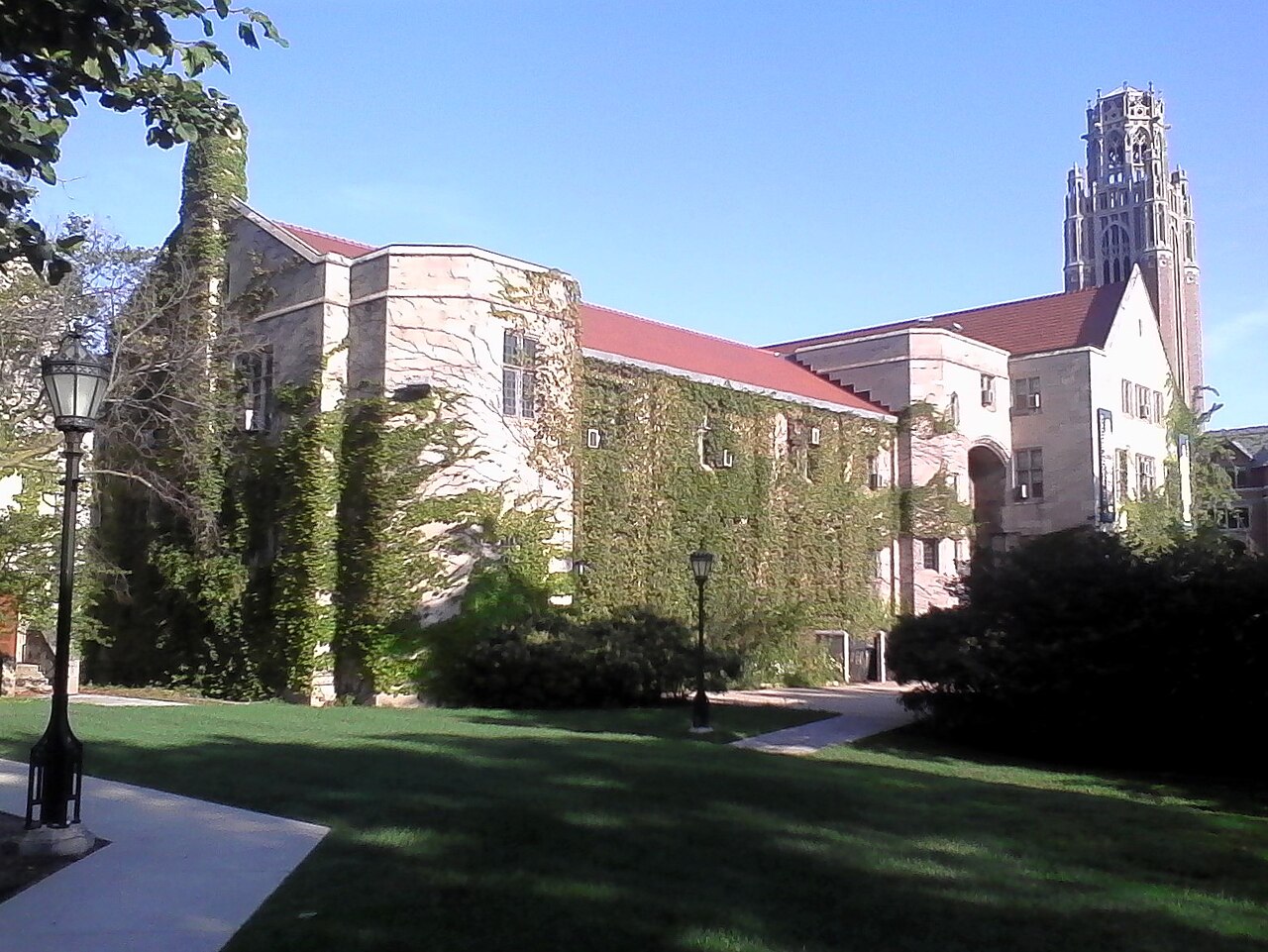
Photo: Alanscottwalker · CC BY-SA 4.0
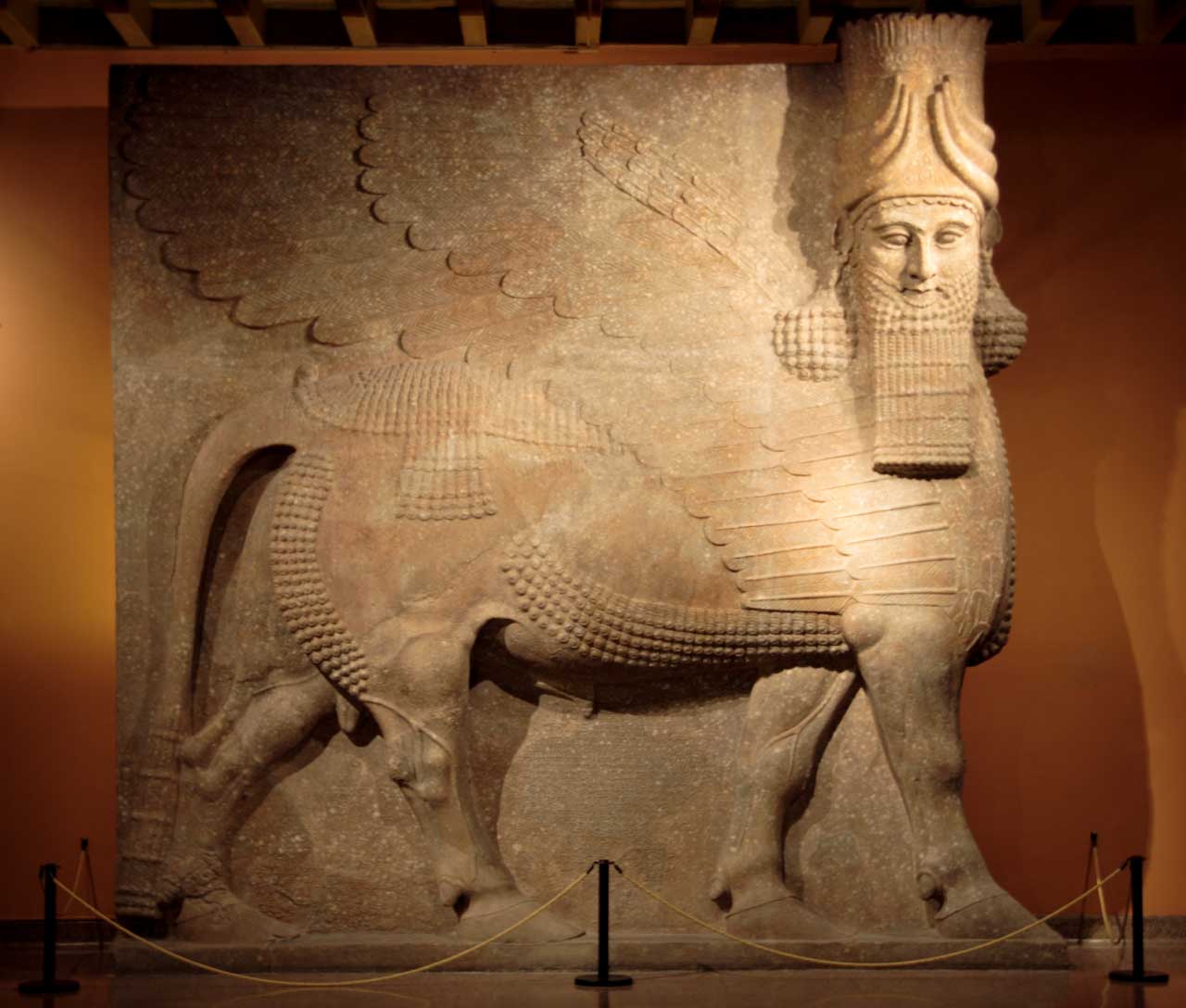
Photo: Unknown author · CC BY-SA 3.0
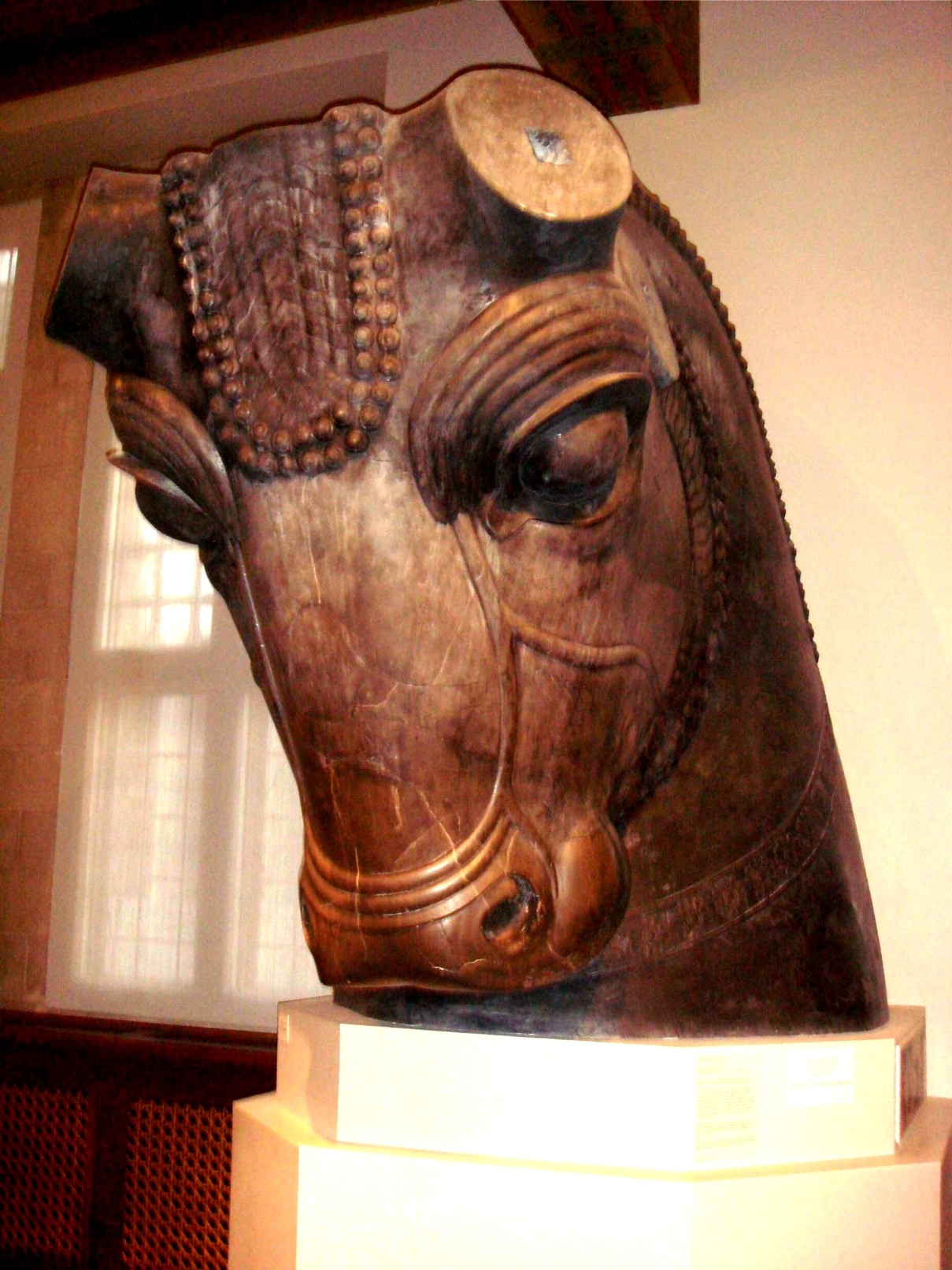
Photo: Nathaniel.loman at English Wikipedia · Public domain
At 1155 E 58th Street on the University of Chicago campus, the ISAC Museum — known until 2023 as the Oriental Institute — houses one of the most extraordinary museum collections in the world — and receives a fraction of the visitors its holdings deserve. Founded in 1919 by archaeologist James Henry Breasted, who coined the term "Fertile Crescent," the institute conducted its own excavations across the ancient Middle East and brought back artifacts that would define scholarly understanding of the ancient world. The collection includes the tallest statue of King Tutankhamun in the Western Hemisphere; one of the largest and best-preserved Assyrian lamassu in America — a human-headed winged bull from 720 BCE, standing 16 feet tall and weighing some 40 tons; ancient Persian artifacts from Persepolis; cuneiform tablets from Mesopotamia; and a collection documenting the development of writing from pictographs to the first phonetic alphabet. The lamassu was too large for any doorway: its pieces were brought in through an unfinished gallery wall while the building was going up, and reassembled in place. General admission is $15 for adults, with reduced and free rates for some visitors and free entry for all on Friday evenings from 4 to 8pm. The museum is open Tuesday through Sunday. The 1931 Gothic-Revival building has carved stone doorways and a reading room with original oak furniture. It remains, by many accounts, one of the most undervisited world-class museums in any American city.
- Tags
Discussion
Sign in to join the discussion
No comments yet
Be the first to share your thoughts on this lore!